Field Notes/Gear Guides
Gear Guides
Choosing Your First Home-Defense Handgun
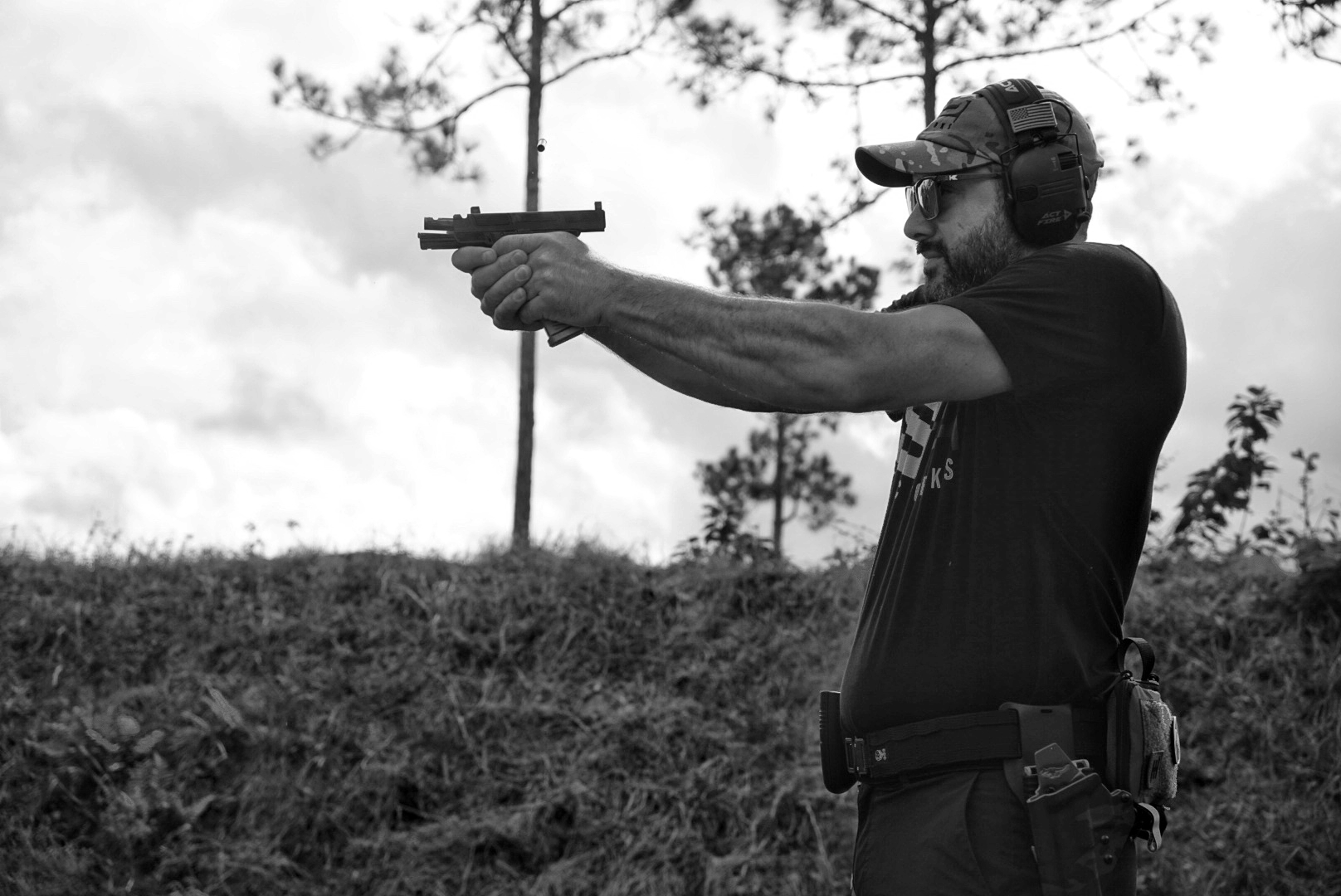
Sean Strawsburg
July 14, 2026 · 6 min read
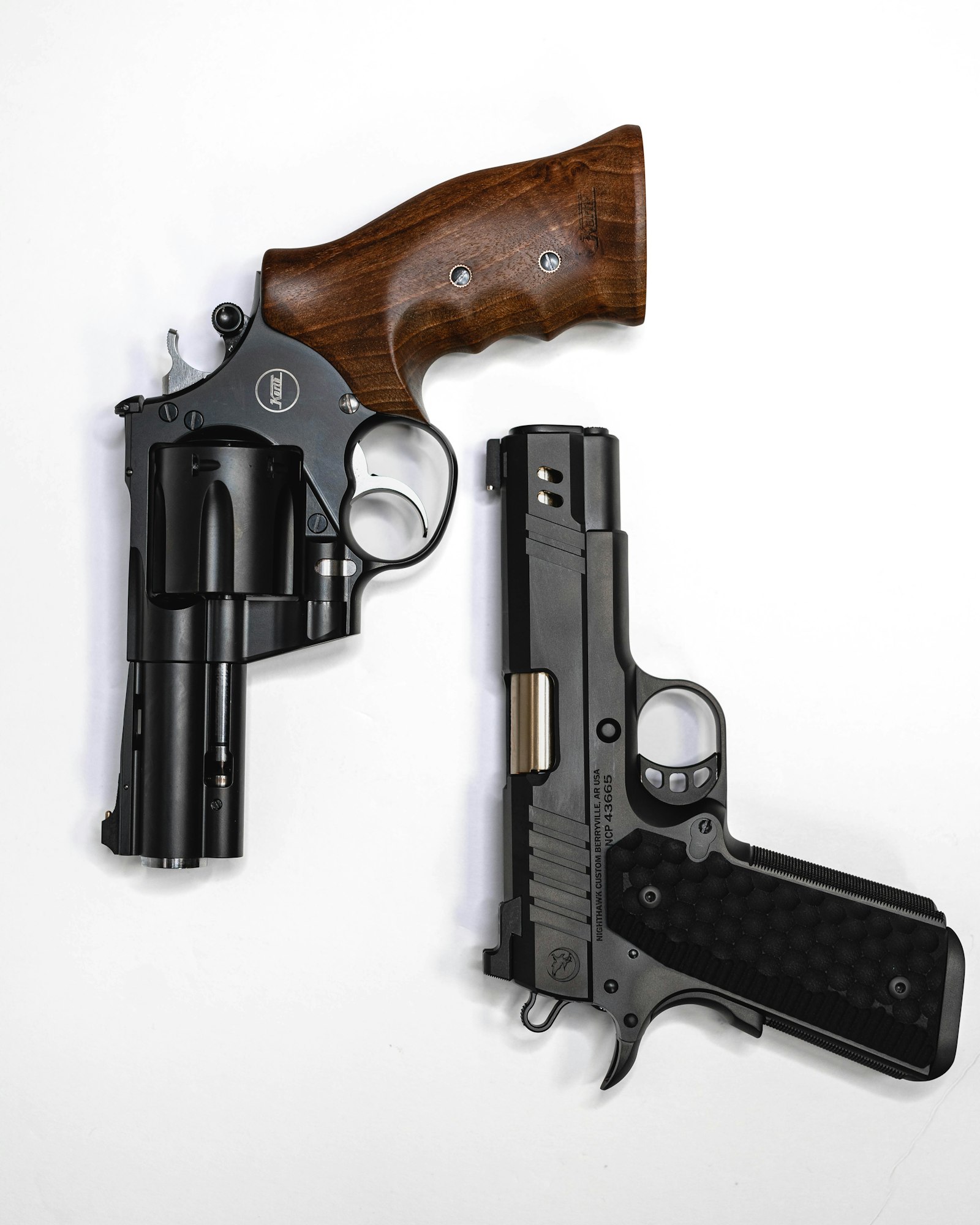
Picking a first handgun is less about the gun and more about the person holding it — grip size, recoil comfort, and how the gun feels after an hour at the range, not five minutes at the counter. A spec sheet can tell you the caliber and capacity, but it won’t tell you whether you can shoot it well at 2 a.m. with your hands shaking.
Start With Fit, Not Firepower
A gun you can’t control reliably is a liability, not protection. We start every fitting by putting three or four calibers and frame sizes in your hand before talking spec sheets. If your grip is small, a double-stack .45 will fight you on every shot. If your hands are large, a sub-compact 9mm can feel like holding a stapler. Fit drives follow-up shots, and follow-up shots are what end a threat.
The best home-defense gun is the one you’ll actually train with.
Match the Tool to the Purpose
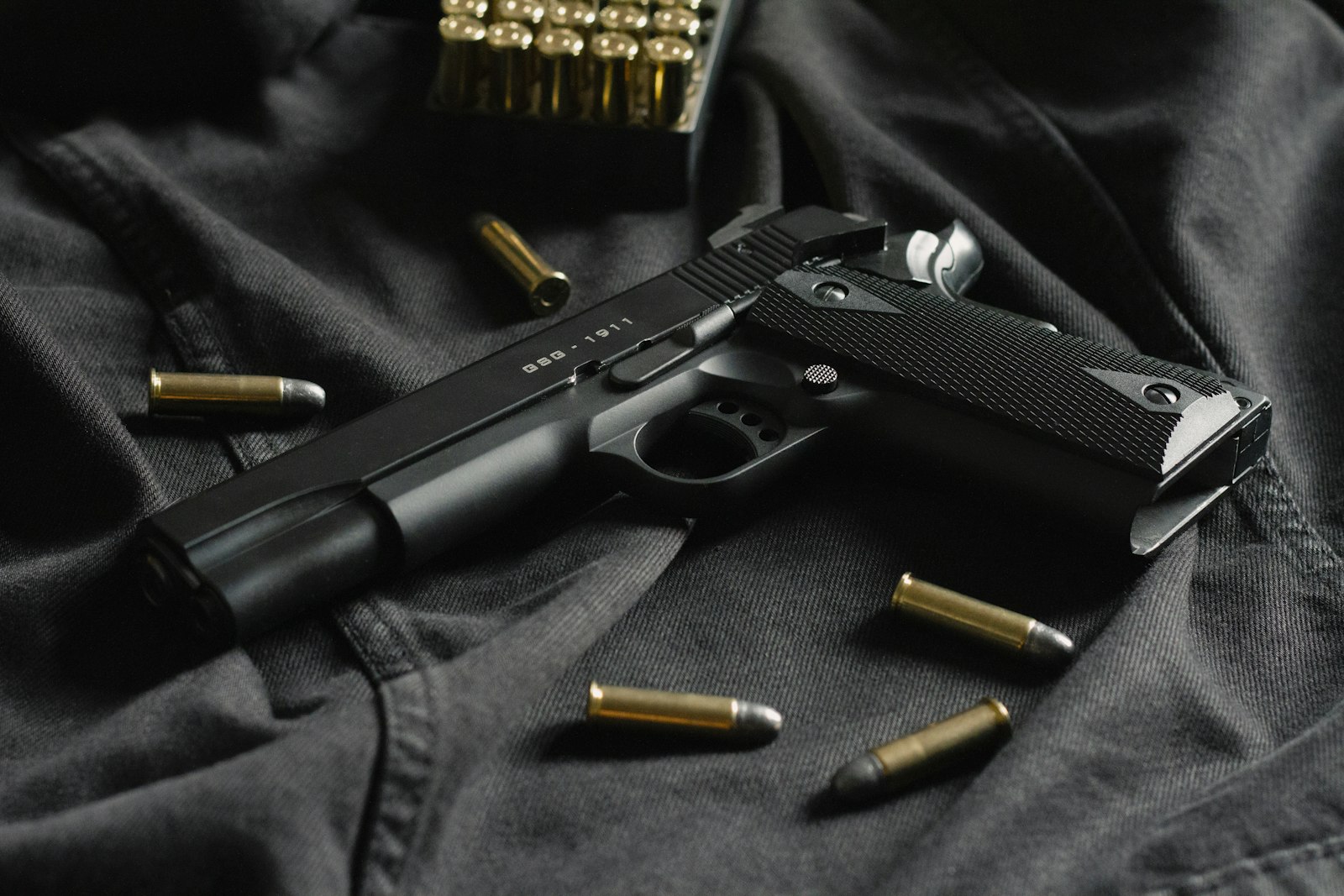
A home-defense handgun has one job: stopping a threat inside your home, quickly, with shots you can place under stress. That narrows the field more than people expect. A race gun with a red dot and a 17-round magazine looks great on YouTube, but if you've never trained to clear a malfunction under a flashlight, it's the wrong tool at 2 a.m.
The purpose also dictates the platform. A striker-fired 9mm with a manual safety you practice disengaging is one answer. A hammer-fired .380 you keep in a quick-access safe is another. The right tool is the one whose controls you can run without thinking — safety, slide release, magazine drop — because under stress you won't have time to think.
Your Situation Matters More Than the Spec Sheet
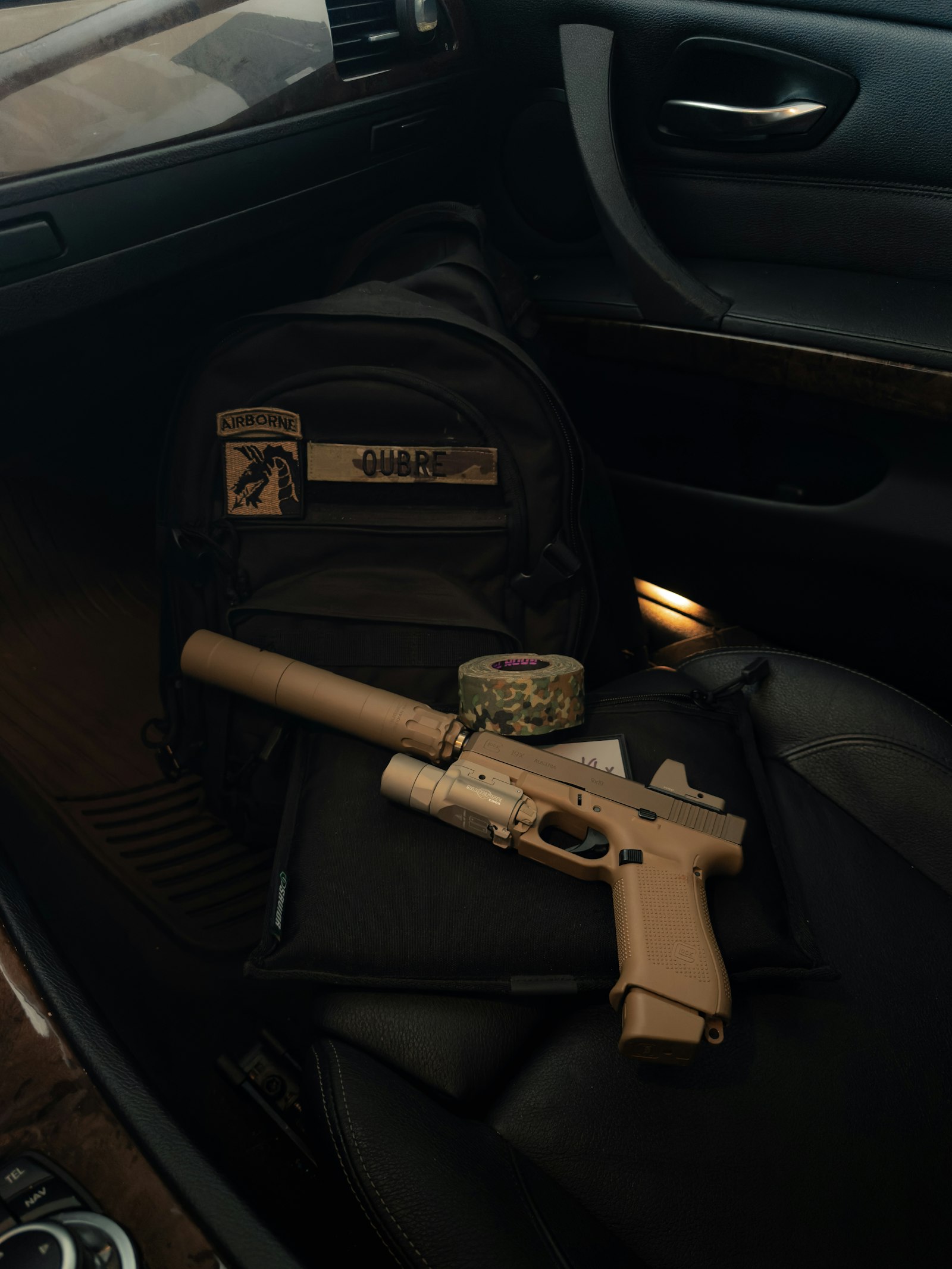
The "best" handgun is contextual. A retiree in a single-story apartment and a parent in a two-story house with kids down the hall are solving different problems. Before we recommend anything, we ask about your home layout, who else has access, how you'll store it, and whether you've shot before. A gun that lives unloaded in a closet because it's intimidating to handle is a gun that won't be there when you need it.
Recoil tolerance is part of the situation, not a toughness test. A .380 or 9mm you shoot 200 rounds a month will serve you better than a .45 you flinch through twice a year. Practice volume beats chamber pressure every time.
Fitting Into a Broader System of Firearms
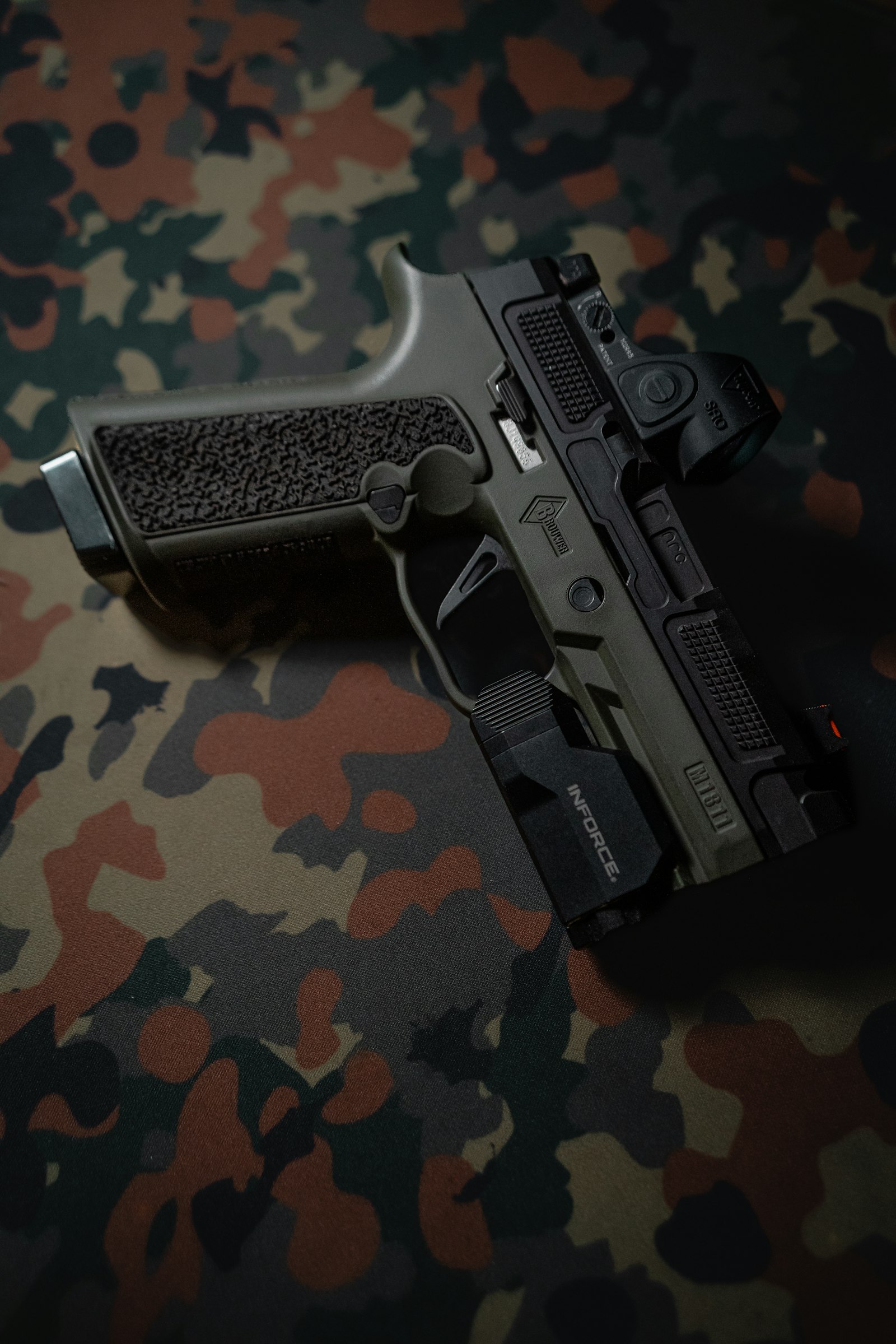
A home-defense handgun is rarely a standalone tool. Most owners eventually build out a system — a pistol for the nightstand, a shotgun for the front door, a carbine for longer sightlines on rural property. Each fills a different role, and the handgun you choose first should complement what comes next, not paint you into a corner.
Think about shared magazines, shared manual of arms, and shared ammunition. Starting on a platform you can grow into — Glock, SIG P320, Smith & M&P — means your training carries forward when you add a second gun. Buying a one-off with no accessory market leaves you relearning fundamentals every time you expand.
What We Check Before You Buy
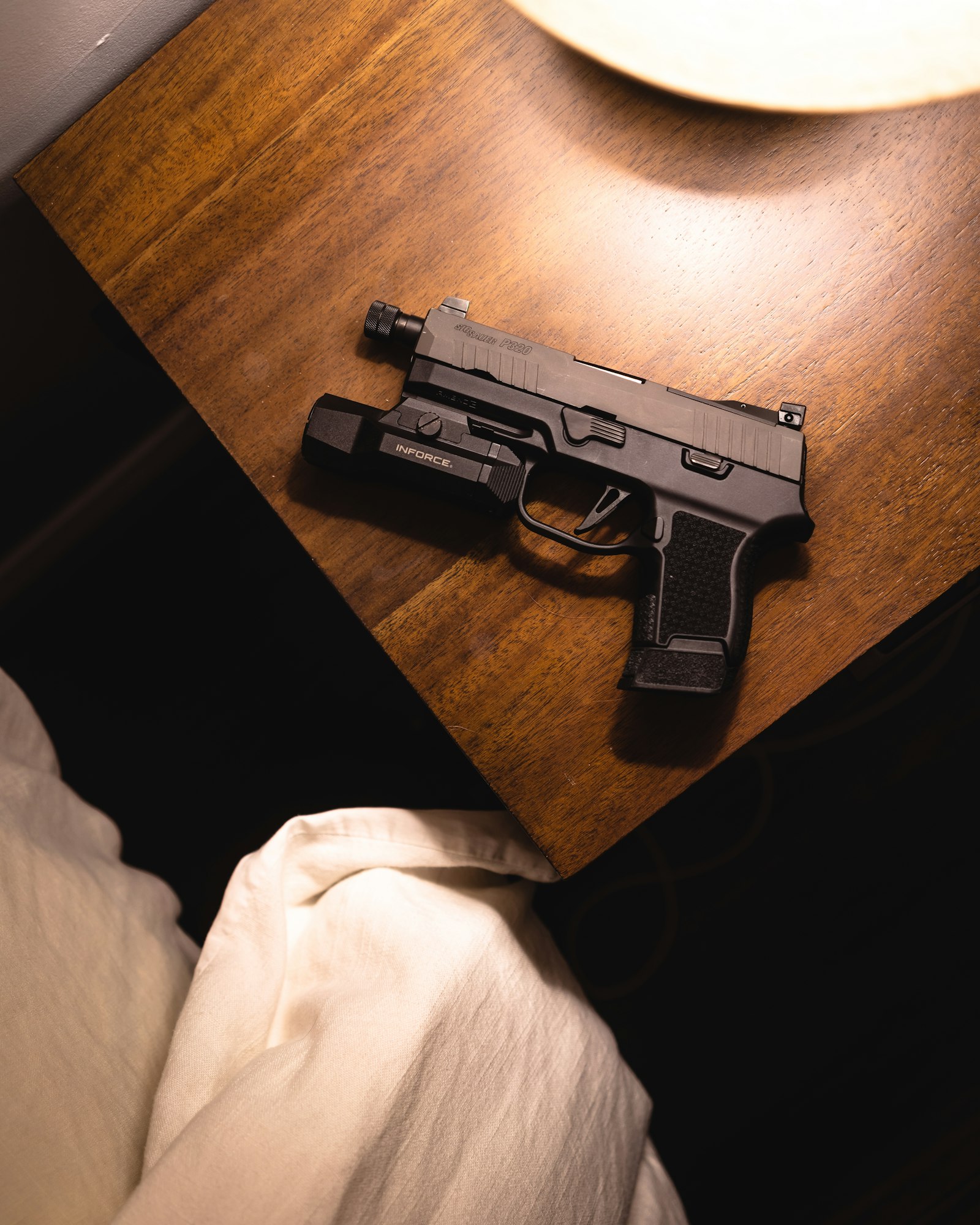
- Trigger reach and reset for your hand size
- Ammo availability and cost for practice volume
- Holster and storage options for your home layout
- Manual of arms that matches what you'll actually train on
- Compatibility with the broader system you plan to build
Book a private appointment and we’ll walk through all of it with you, no pressure and no clock running. You’ll handle several options, dry-fire, and walk out with the one that fits — not the one with the best marketing.
Sean Strawsburg
Founder of S2 Tactical.